
 US
Feminized seeds for big outdoor plants.
Got a sunny garden and room to grow? Photoperiod plants grow all summer and flower in autumn, so outdoors they can get big. Seed brands or shops state that these feminized photoperiods grow tall and yield a lot. One plant can give a large harvest, if your summer lasts long enough.
84 seed products
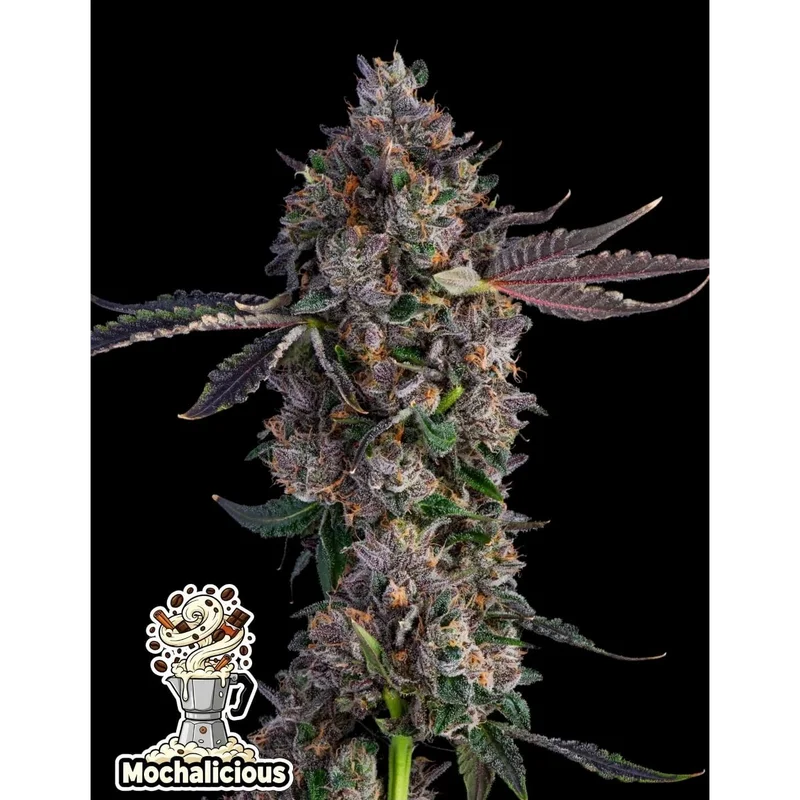
- Feminized
- Photoperiod
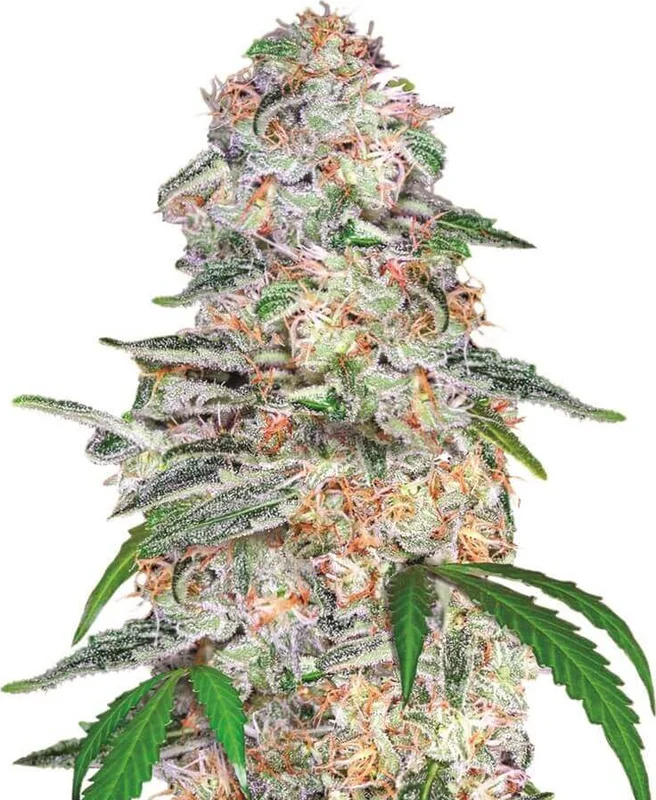
- Feminized
- Photoperiod
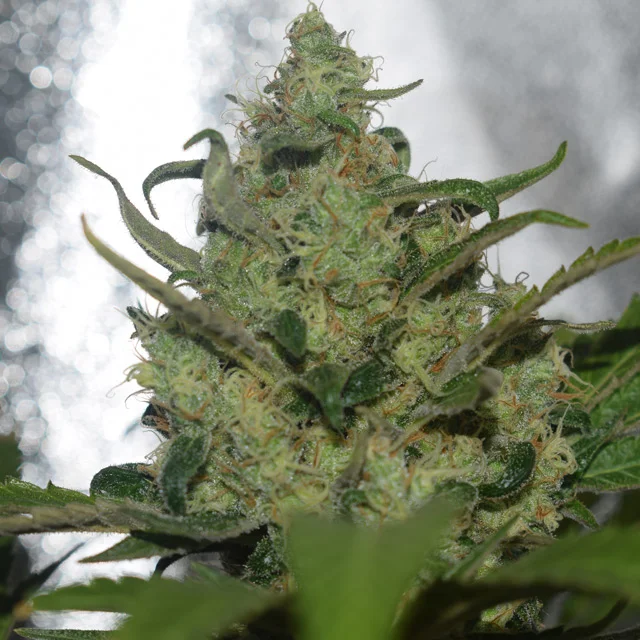
- Feminized
- Photoperiod
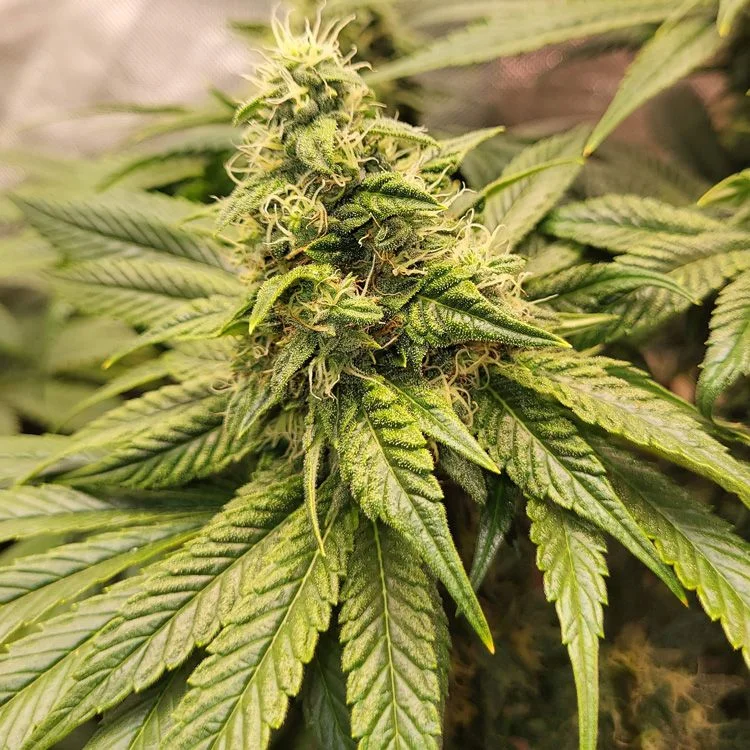
- Feminized
- Photoperiod
- Feminized
- Photoperiod
- Feminized
- Photoperiod
- Feminized
- Photoperiod
11% off
- Feminized
- Photoperiod
- Feminized
- Photoperiod
- Feminized
- Photoperiod
- Feminized
- Photoperiod
- Feminized
- Photoperiod
- Feminized
- Photoperiod
- Feminized
- Photoperiod
- Feminized
- Photoperiod
- Feminized
- Photoperiod
- Feminized
- Photoperiod
72% off
- Feminized
- Photoperiod
- Feminized
- Photoperiod
- Feminized
- Photoperiod
- Feminized
- Photoperiod
- Feminized
- Photoperiod
- Feminized
- Photoperiod
- Feminized
- Photoperiod







Filters we used, and why
- Feminized: every seed grows into a female plant, the one that flowers, so you don't need to spot and remove males. Feminized or regular.
- Photoperiod: it flowers when the nights get longer, so outdoors it grows all summer and flowers in autumn. Autoflower or photoperiod.
- Height tall: 160 cm or more as the seed brand or a shop states it. Height brackets.
- Yield high: 600 g/m² or more as the seed brand or a shop states it.
Why photoperiods grow big outdoors
A photoperiod plant keeps growing as long as the days are long. Planted outside in late spring, it grows through June and July and starts flowering only when the nights get longer in late summer. That long growing season is what makes a large plant and a large harvest possible. An autoflower flowers by age and stays smaller.
What the filters mean
| Filter | Bracket | Why |
|---|---|---|
| Feminized | Nearly all female | Every plant you give space to makes buds |
| Photoperiod | Flowers by day length | The whole summer to grow |
| Height tall | 160 cm or more as stated | Grows big |
| Yield high | 600 g/m² or more as stated | Produces a lot |
A seed with no stated height or yield is placed in the middle bracket and isn't shown here. Grow specs.
Three checks before choosing outdoor seeds
1. Is your summer long enough?
Tall, high-yielding plants are often sativa-leaning and flower longer. In a short northern summer, a long flowering time can mean harvesting in October rain. Check each seed's flowering time, or look at fast-flowering seeds for a short summer.
| Your summer | Flowering time to look for |
|---|---|
| Short (UK, Netherlands, Canada) | Short: under 56 days |
| Average (central Europe) | Short or average |
| Long (south Europe) | Any |
2. Do you have the space?
A big outdoor plant can grow 2 metres tall and almost as wide. Give it full sun for most of the day, a large pot or open ground, and room for air to move around it.
3. Can you keep it out of sight?
A tall plant is easy to see over a fence. If that matters, drop the tall filter and keep the plant lower by bending its branches outward as it grows.
Getting a big harvest
Genetics set the plant's maximum potential yield. The growing season determines how close your plants get to that yield.
- Start early: sprout indoors in April and plant out after the last frost.
- Big root space: the bigger the pot or bed, the bigger the plant.
- Sun: at least six hours of direct sun a day, more is better.
- Water and feed: a large plant drinks a lot in July and August.
- Watch for mould: large, dense buds hold water after rain. Check them from September.
Seed brands state the results of their best plants, grown in the best summers. Read the figures as a rough guide.
Compare prices
Outdoor growers often sow a few extra seeds to allow for losses. A large pack (10 to 25 seeds) is often cheaper per seed. Bigger packs, cheaper seeds.
Change the filters
- Drop tall: high-yielding photoperiods of any height.
- Short summer? Fast-flowering photoperiods.
Good to know
Breeders state the best results of their own plants. Your light, feeding, weather and harvest timing affect the results, so read every figure as a rough guide.
Filters like high, short, small and easy show seeds only when a breeder or shop gives the relevant figure or description. A seed with no figure sits in the middle bracket, so it isn't shown here even if it would fit. No figure: the middle bracket.